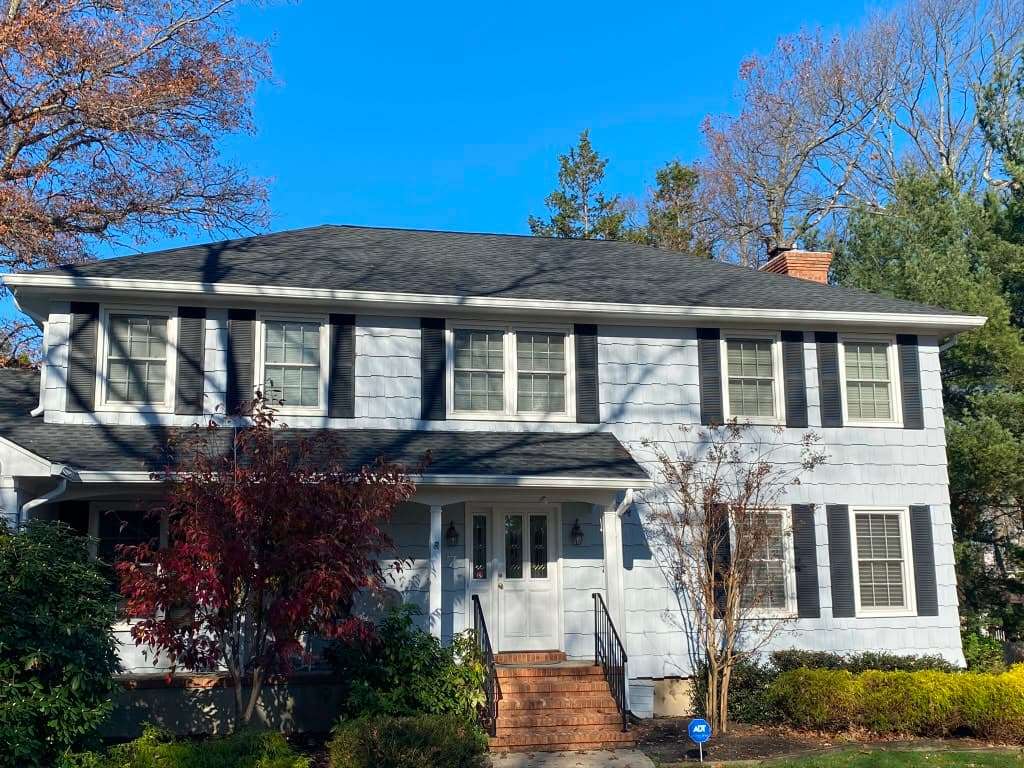
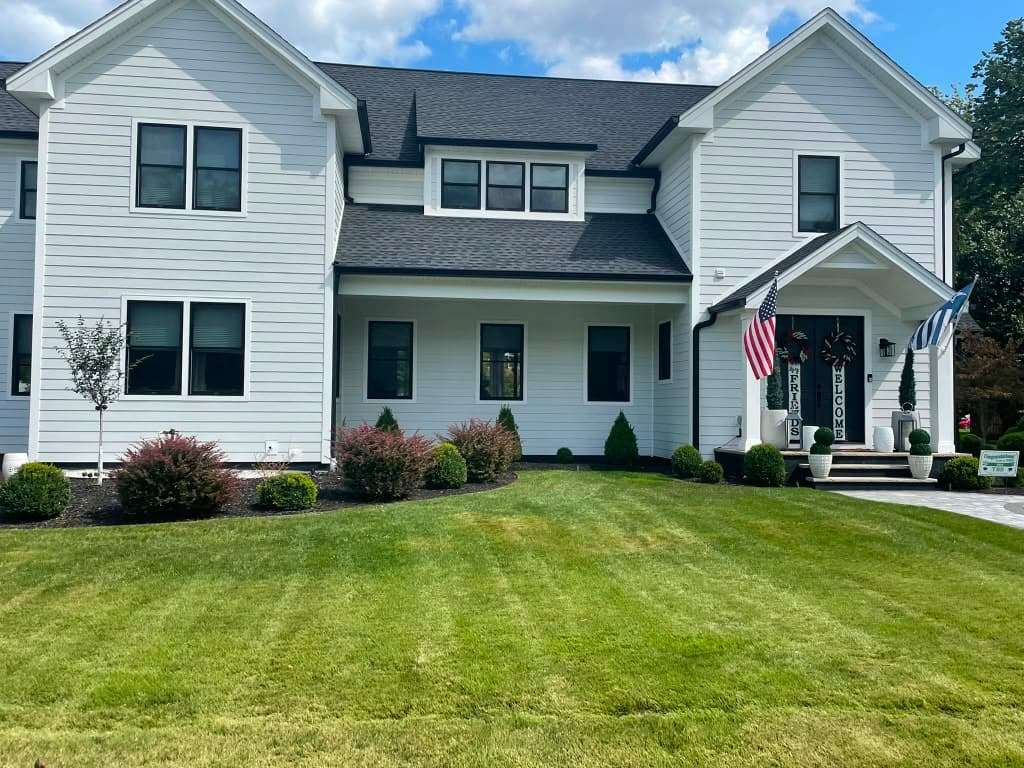
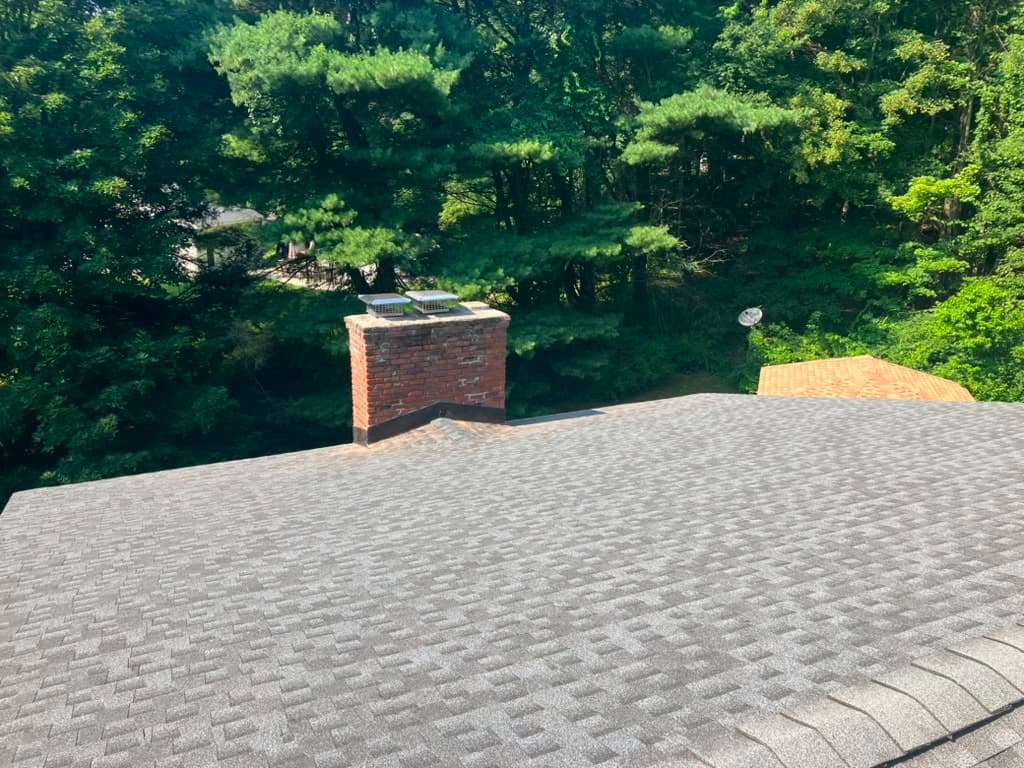
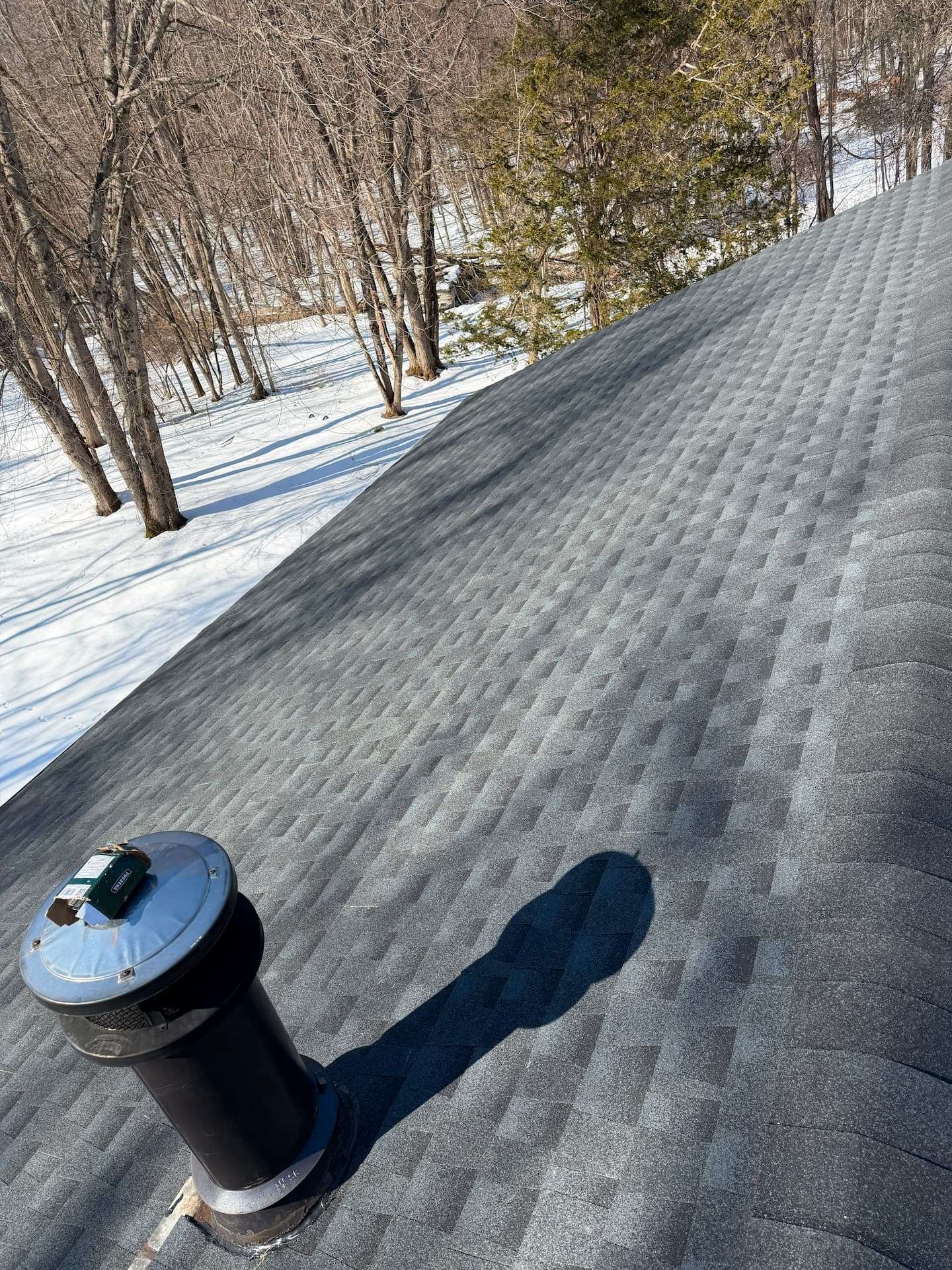
Cold Spring is one of the few places in Putnam County where you can’t just call a roofer, pick a shingle color, and get started. Much of the village, especially the blocks around Main Street and the streets running up from the river, falls inside a designated historic district. That status protects exactly the character that makes Cold Spring worth living in, but it also means a roof replacement is a different process here than it would be a few miles up the road in Putnam Valley or Kent.
If you own a home in the district and your roof is due, the paperwork matters as much as the material.
Why roofing falls under review at all
Historic district protections typically cover anything visible from the public right-of-way, and a roof is about as visible as it gets. The village’s review process exists to keep new work compatible with the historic character of the district rather than to dictate every homeowner’s taste. In practice, that means the roofing material, its color, and sometimes details like flashing and trim get evaluated before a building permit is issued, not after the work is done.
This catches people off guard most often when a roof fails suddenly, say, after storm damage, and a homeowner wants to move fast. Emergency tarping and temporary repairs are usually fine without review. A full replacement generally is not, even under time pressure.
What tends to get approved, and what doesn’t
Natural slate is almost always compatible with a historic district’s character, for the obvious reason that a lot of the original roofing in a district this age was slate to begin with. The tradeoff is cost, weight, and lead time. Slate isn’t a material most residential roofing crews stock; it’s ordered, matched for color and thickness, and installed by people who do it regularly, because the flashing and fastening methods are genuinely different from asphalt.
Synthetic slate has become a real option in older districts across the Hudson Valley over the past several years. The better composite products are designed to mimic slate’s proportions and shadow lines closely enough that they’re accepted in a lot of historic review contexts, at a meaningful fraction of the weight and cost of the real thing. Whether a specific product will be approved in Cold Spring depends on the district’s current standards and the individual review, so this isn’t something to assume going in. It’s something to ask about before you’ve already ordered material.
Standard three-tab or budget architectural asphalt shingle is the material most likely to run into resistance, particularly on street-facing elevations of a home that’s contributing to the district’s historic character. That doesn’t mean asphalt is automatically off the table everywhere in the village. It means the odds of a smooth approval go up significantly with a heavier, more traditional-profile shingle and a color that reads close to natural slate gray rather than a lighter contemporary tone.
Budget more time than you think you need
The single biggest mistake we see is a homeowner treating a historic district re-roof on the same timeline as a standard one. A typical residential replacement outside the district might go from estimate to finished roof in a couple of weeks. Inside the district, add the review and approval step before a permit is even pulled, and that window can stretch out considerably, especially if the first material submission gets sent back with questions.
A few things that consistently shorten the process:
- Submit material and color samples with the initial application, not after a follow-up request
- Bring photos of similar approved roofs on nearby homes in the district as reference points
- Confirm current requirements directly with the Village of Cold Spring before finalizing material choices, since historic district standards get revisited periodically and a plan built on last year’s guidance can stall
- Work with a contractor who has actually pulled a roofing permit in the village before, not just one who’s done historic work somewhere else
What we do differently on a Cold Spring job
When we quote a re-roof inside the district, the estimate includes the same structural and flashing work we’d do anywhere else, but the material conversation happens first, before we talk timeline or price. If natural slate is the right call structurally and financially, we walk through what that install actually involves, since older slate roofs sometimes have deck framing that wasn’t built to carry it long-term and needs reinforcement. If a composite slate product is a better fit for the budget, we bring documentation on the specific product’s dimensions and profile, because that’s usually what a review board wants to see rather than a generic spec sheet.
Either way, the goal is to get the material question settled before a shingle color gets picked, because in Cold Spring, that decision drives almost everything else about the timeline.